While Jal Jeevan Mission focuses on rural India, its urban counterpart, AMRUT 2.0, is quietly reshaping water and sewerage infrastructure in India's cities and towns. For a company that manufactures the pipes and valves running beneath those cities, it's worth understanding what this program actually looks like once it moves from budget line to construction site.
The Atal Mission for Rejuvenation and Urban Transformation 2.0, launched in October 2021, carries a total indicative outlay of ₹2,99,000 crore over five years, including a central share of ₹76,760 crore, nearly three times the outlay of the original AMRUT scheme. Its goals are concrete and measurable: universal water supply coverage through 2.68 crore new household tap connections, universal sewerage and septage management across 500 cities through 2.64 crore new sewer connections, and the rejuvenation of urban water bodies and green spaces.
As of the latest Ministry of Housing and Urban Affairs reporting, the Mission has approved 8,998 projects worth ₹1,89,458.55 crore, with contracts already awarded for 4,916 projects worth over ₹85,114 crore. Works worth more than ₹23,016 crore have been physically completed, spanning water supply augmentation, sewerage networks, and water body rejuvenation across hundreds of Urban Local Bodies nationwide.
AMRUT 2.0's structure, rolled out through sequential tranches at the state and city level, means the Mission's impact shows up unevenly but steadily: a handful of water supply projects here, a sewerage pumping station augmentation there, a cluster of water body rejuvenation works in another district. In Assam alone, for instance, tranches have covered water supply and sewerage projects across cities including Silchar, Guwahati, Dibrugarh, and Nagaon, alongside dedicated water body rejuvenation works in half a dozen more towns. Multiply that pattern across states, and the picture becomes a genuinely nationwide effort to modernize urban water infrastructure city by city.
Large infrastructure missions like AMRUT 2.0 are, by design, long-gestation projects: water supply augmentation and sewerage networks take years to plan, tender, and build, and monitoring that pipeline responsibly is part of what makes a mission of this scale credible. What that means in practice is that the choice of underlying materials matters just as much as the funding does. A sewer network or water main built to last decades, not just to pass initial commissioning, is what actually delivers on the Mission's promise of "self-reliant, water-secure" cities.
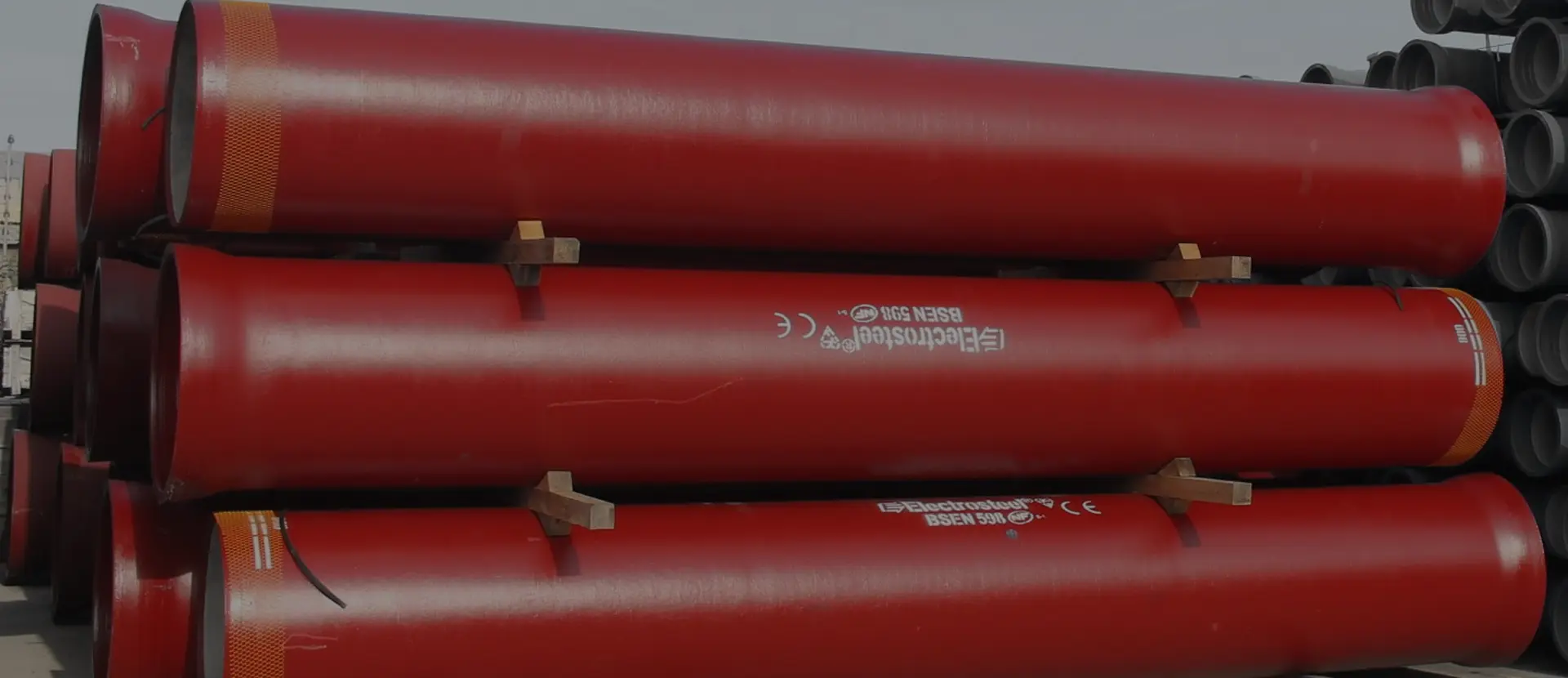
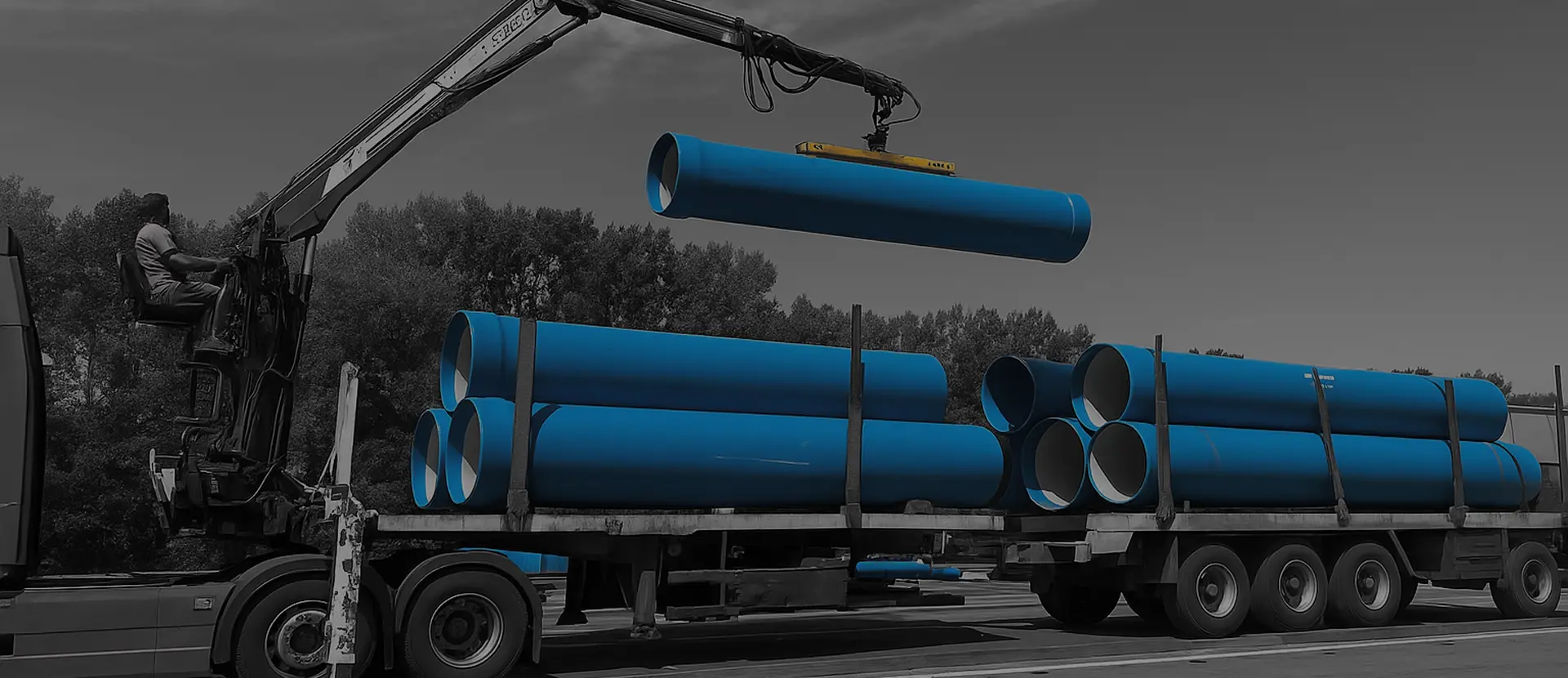
For a manufacturer of Ductile Iron pipes, fittings and valves, AMRUT 2.0 represents exactly the kind of long-horizon infrastructure demand our products are built for: rising mains and distribution networks that need to perform reliably under Indian ground conditions for a century or more, not just for the length of a project warranty. As approved projects move from DPR to tender to construction across hundreds of cities, that's where we see our role, supplying the infrastructure backbone that lets AMRUT 2.0's ambitions on paper become working water and sewerage systems on the ground.
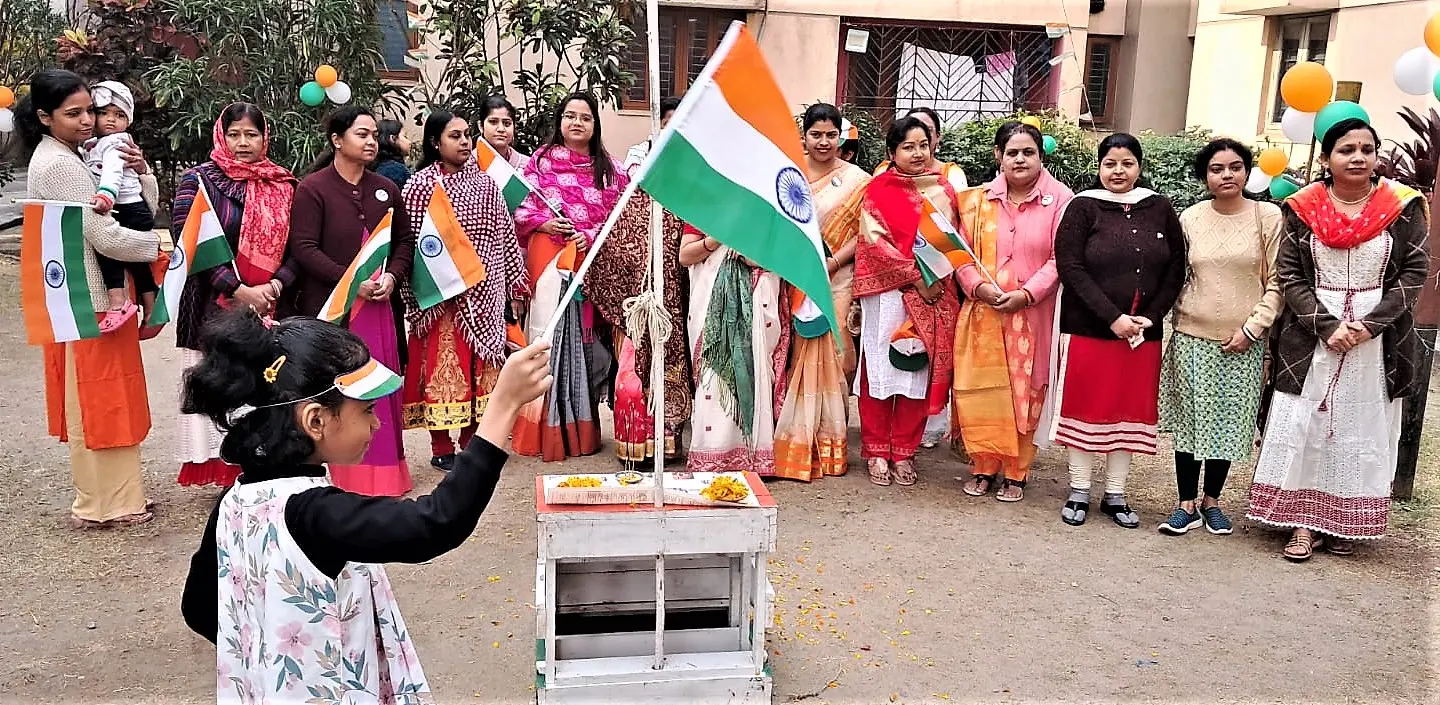
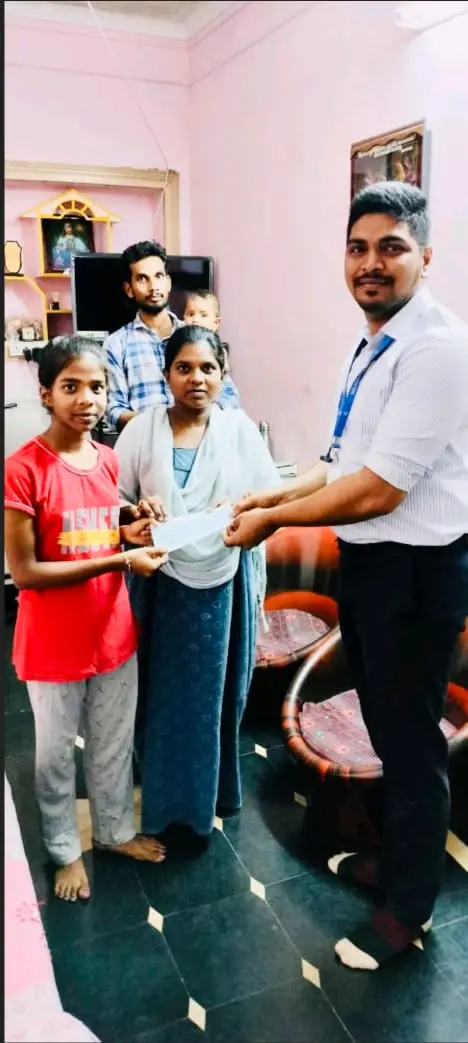
UBAHRTE SITARE – A CSR INITIATIVE AT SRI PLANT