ISO 14001
Environmental Management System · Certified since 2004 · Khardah Works among the first DI pipe plants globally to receive this certification

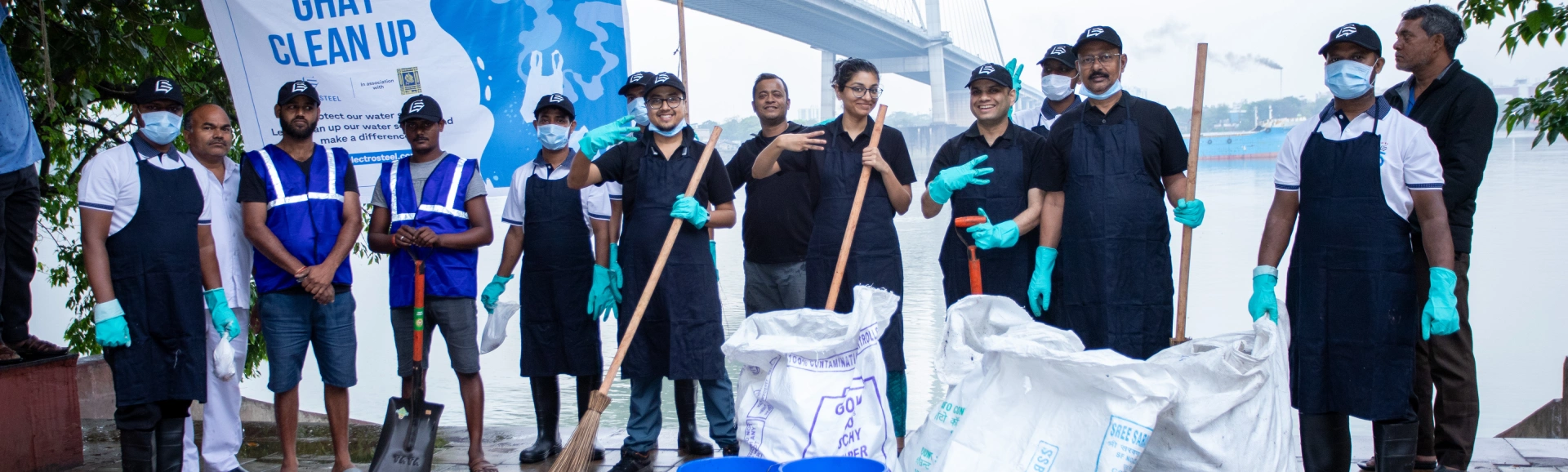
We are an ethical, sustainable and customer-focused brand. Our commitment to environmental responsibility has always been a cornerstone of our operations, and a key factor in our performance as a whole. Guided by international standards and a genuine belief in the value of mindful practices, we continuously work to reduce our footprint, improve resource efficiency, and set benchmarks for sustainable manufacturing in our sector.
Environmental Management System · Certified since 2004 · Khardah Works among the first DI pipe plants globally to receive this certification
Energy Management System · UKAS Accredited · Systematic energy intensity reduction across all manufacturing facilities
Environmental Product Declaration · DI Pipes & Fittings · Independently verified lifecycle impact data
Third-party assured Sustainability Report · GRI-aligned · Full details on Governance › Policy Commitments page
At Electrosteel Castings Limited, managing air emissions is a non-negotiable aspect of responsible manufacturing. Across all our plants, we monitor stack and fugitive emissions in compliance with applicable statutory norms and we set internal targets that go beyond minimum regulatory requirements.
Our ISO 14001-certified Environmental Management System provides the governance structure for tracking, reviewing, and continuously improving our emission performance.
We publish our emission data annually in our GRI Standards-aligned sustainability report, independently assured by BSI under ISAE 3000, ensuring full transparency with our stakeholders.

Real-time emission monitoring systems are installed at our major manufacturing facilities, enabling immediate corrective action and accurate regulatory reporting. Stack emissions are tracked against prescribed limits and reported to the relevant Pollution Control Boards.
Our ISO 14001-certified EMS in place since 2004 provides a systematic framework for setting emission reduction objectives, monitoring performance, identifying deviations, and driving continuous improvement across all plant operations. Khardah Works was among the first DI pipe plants in the world to receive this certification.
Through our ISO 50001 Energy Management System, we reduce energy consumption per unit of production which directly reduces associated greenhouse gas emissions. Energy efficiency improvements at the process level are our primary lever for decarbonising operations.
ECL maintains green belt zones around its manufacturing facilities. Tree plantation drives are conducted regularly across plant premises, acting as natural buffers that improve local air quality and support biodiversity.
Our emission disclosures are independently verified as part of our annual sustainability report assured by BSI under the ISAE 3000 standard ensuring credibility and accuracy of reported data.
Water is at the heart of what we do and how we do it responsibly. As a manufacturer of Ductile Iron pipes that carry safe drinking water to millions across India and the world, ECL recognises that protecting water resources is both a moral and operational imperative.
Across our manufacturing facilities, we have implemented closed-loop water management systems that dramatically reduce freshwater withdrawal and minimise wastewater discharge. Our flagship achievement, 94.35% process water recycling, reflects the depth of our commitment to responsible water use.
Water performance is monitored under our ISO 14001 EMS and disclosed in our annually published, third-party assured GRI sustainability report.
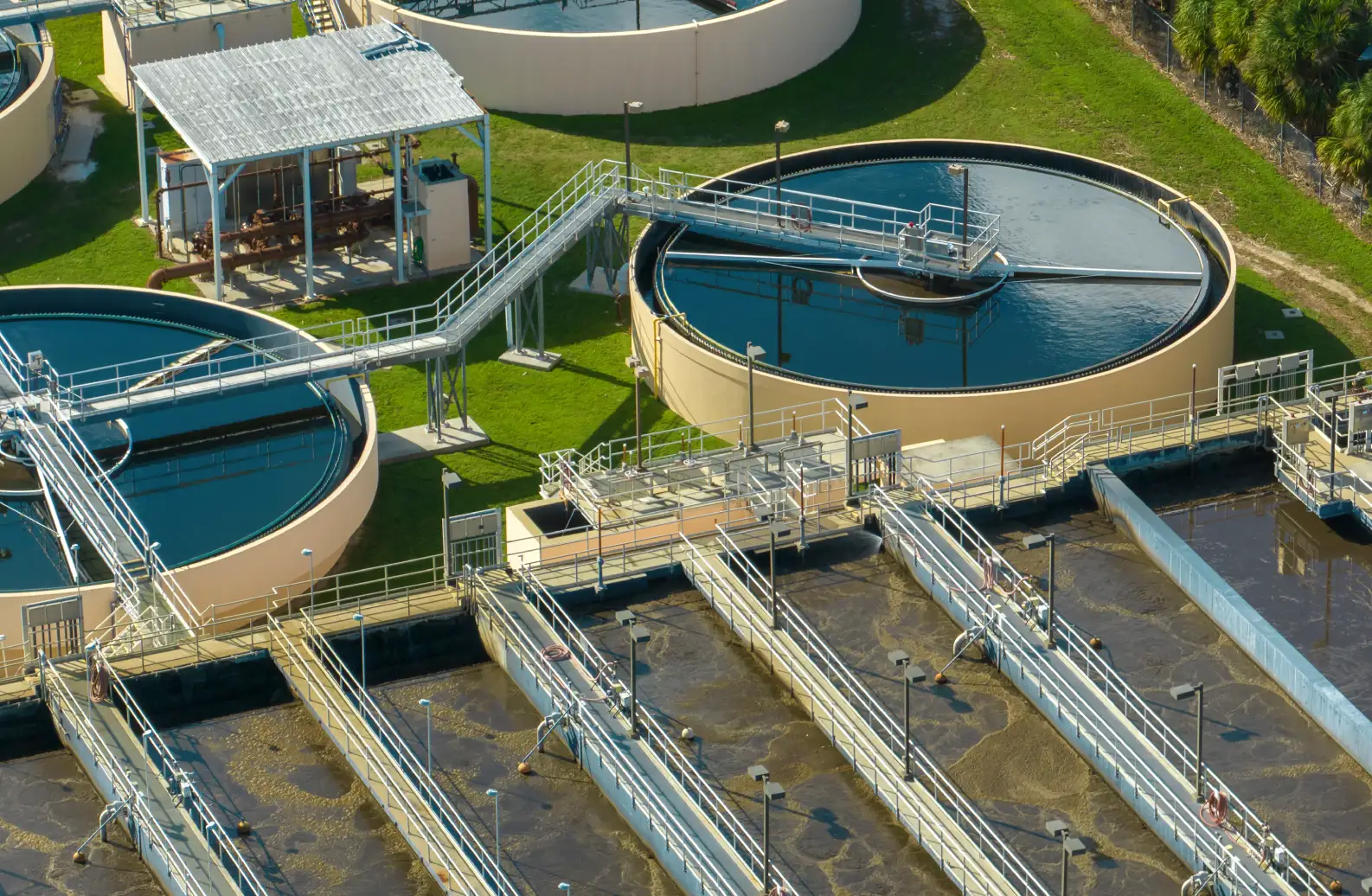
ECL operates closed-loop water circuits at its manufacturing plants, achieving 94.35% process water recycling. Water used in cooling, casting, and pipe-lining processes is treated and recirculated significantly reducing dependence on freshwater sources and minimising effluent discharge.
Effluent Treatment Plants (ETPs) are operational across ECL facilities. Treated water is monitored against CPCB/SPCB norms and reused within plant operations wherever technically feasible, further reducing net freshwater consumption.
Rainwater harvesting infrastructure has been developed across ECL plant premises to capture and utilise precipitation as a supplementary water source reducing dependence on groundwater and municipal supply during monsoon and post-monsoon periods.
Beyond our factory gates, ECL's Jal Sadhana CSR programme extends our water stewardship to the communities we serve. Through Jal Sevak Samman, Jal Stuti, and Jal Manthan initiatives, we support access to safe drinking water for underserved communities near our plants directly embodying our brand purpose: Carrying Life to People.
Water withdrawal, consumption, and recycling data is disclosed in our annual GRI-aligned sustainability report, independently assured by BSI under ISAE 3000. We are committed to progressive improvement in water performance year on year.
ECL follows a reduce–reuse–recycle hierarchy in managing the waste generated across its manufacturing operations. Our primary industrial by-products including slag, foundry sand, and mill scale are systematically processed for beneficial reuse, diverting significant volumes away from landfill and contributing to a more circular approach to manufacturing.
All hazardous waste is handled in strict compliance with the Hazardous and Other Wastes (Management and Transboundary Movement) Rules, through CPCB/SPCB-authorised agencies.
Waste generation, disposal, and diversion data is monitored under our ISO 14001 EMS and disclosed in our annual, third-party assured sustainability report.
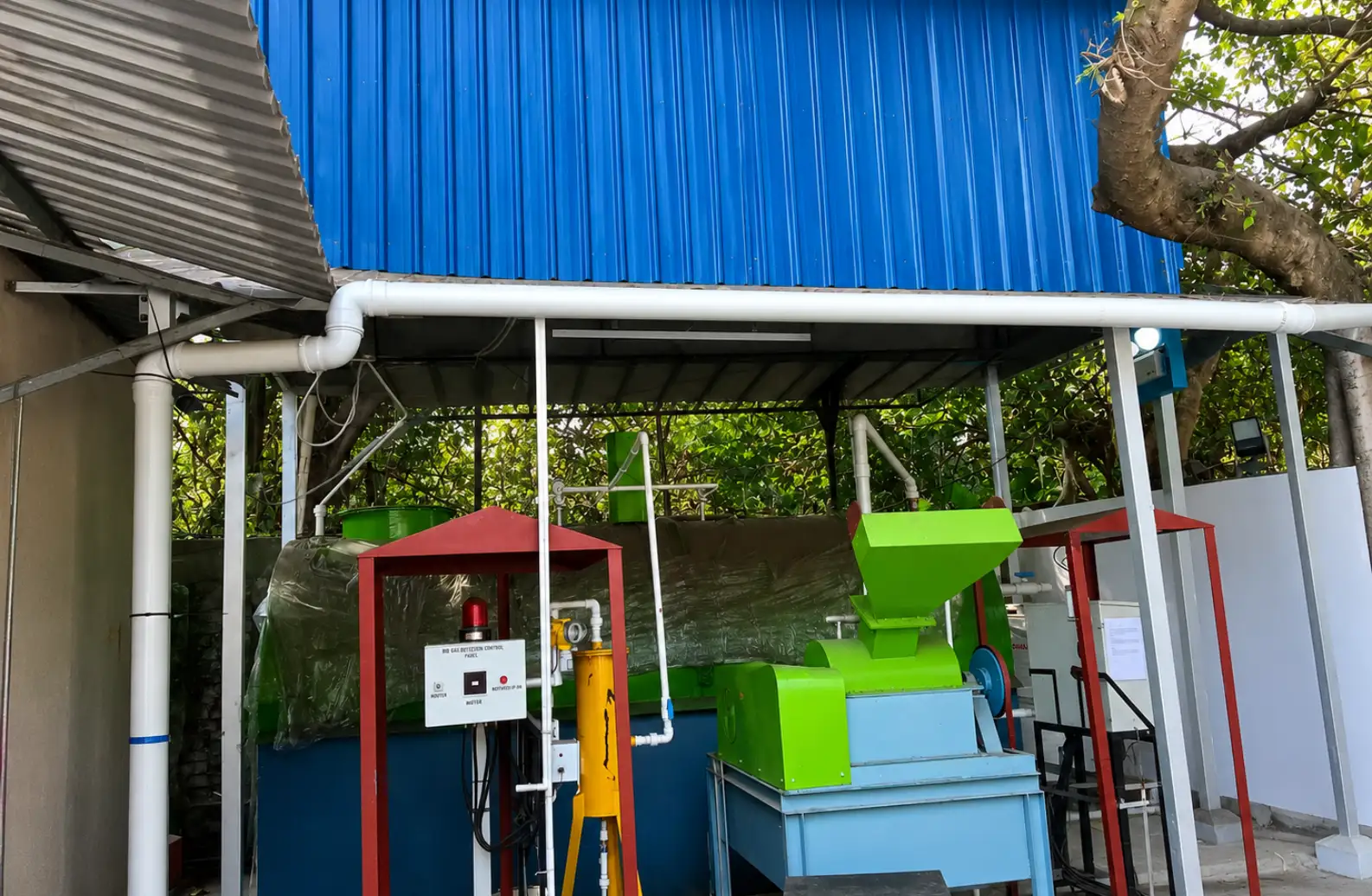
Slag generated from our manufacturing processes is channelled for productive use including applications in construction and cement manufacturing reducing landfill dependency and extracting residual value from production by-products. Mill scale and other metallic residues are similarly recovered and recycled.
Used foundry sand is reclaimed through mechanical and/or thermal reclamation processes, enabling reuse within the moulding process. This significantly reduces the volume of fresh sand required and the quantum of sand waste disposed externally.
All hazardous waste generated at ECL facilities including spent oils, chemical waste, and process residues is disposed of exclusively through CPCB/SPCB-authorised recyclers and disposal agencies, in full compliance with applicable regulations. Records are maintained transparently and reported in our sustainability disclosures.
Process optimisation initiatives across our plants aim to reduce waste generation at the source through improved raw material utilisation, tighter process controls, and regular review of waste streams under the ISO 14001 framework.
Waste generation and diversion data is captured and disclosed in our GRI Standards-aligned annual sustainability report, independently verified by BSI under ISAE 3000 providing stakeholders with a credible and comparable view of our waste performance over time.
Electrosteel Castings Limited recognises that energy consumption is a primary driver of operational costs and carbon emissions. Our approach to energy management is focused on continuous efficiency improvements, technological upgrades, and the progressive integration of cleaner energy sources into our manufacturing processes.
Energy management at ECL is governed by our UKAS-accredited ISO 50001 Energy Management System. This robust framework ensures that we systematically measure, monitor, and optimise our energy performance across all operational facilities.
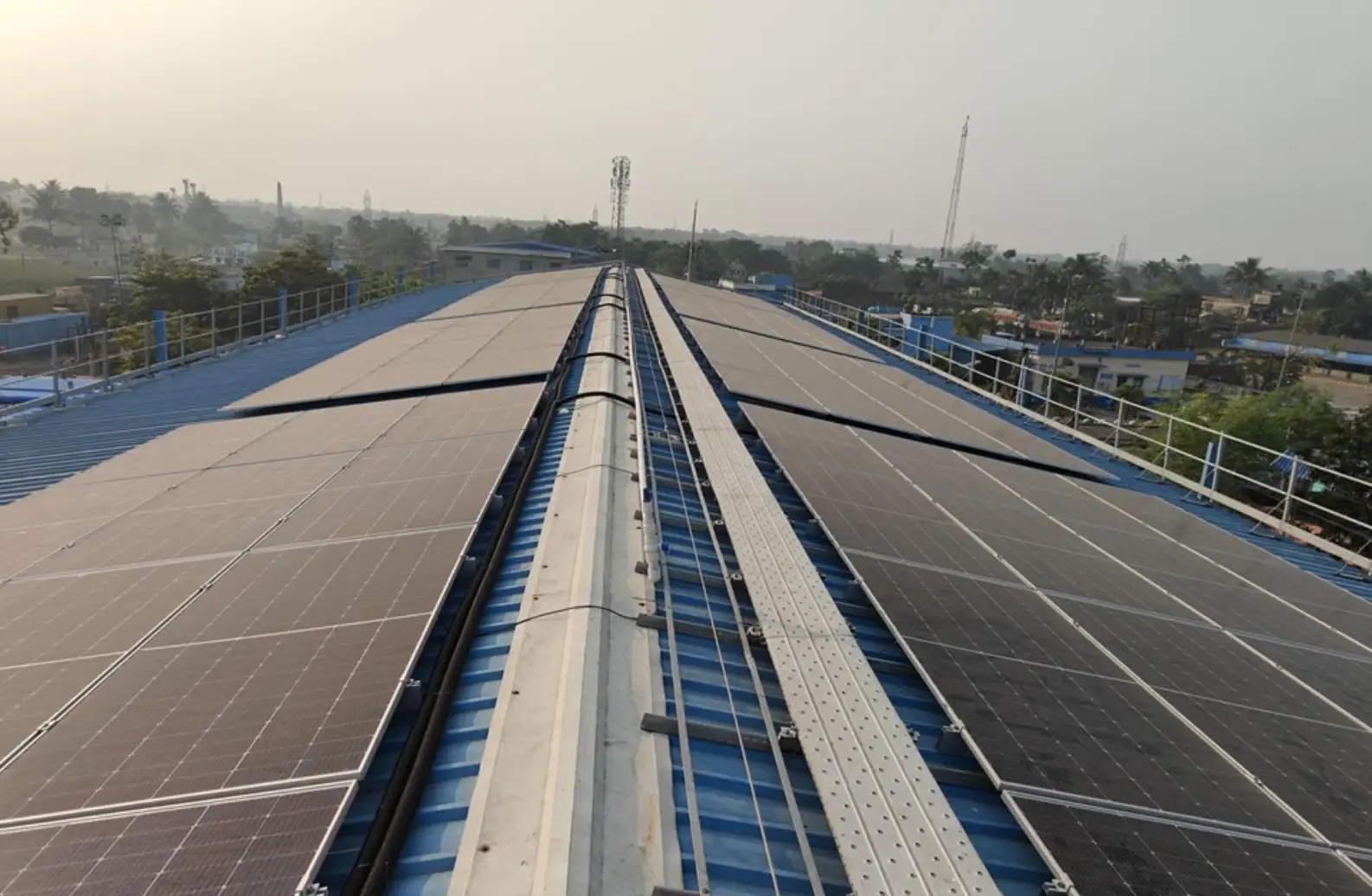
ECL's UKAS-accredited ISO 50001 certification underpins a systematic, data-driven approach to energy management. Defined targets, internal energy audits, corrective action processes, and top management reviews are built into our governance cycle ensuring energy efficiency is continuously pursued across operations.
Continuous process optimisation including equipment upgrades, drive efficiency improvements, and heat recovery measures allows ECL to progressively reduce energy consumption per tonne of production across its manufacturing facilities.
ECL is progressively increasing its use of renewable energy across its operations, in alignment with India's clean energy transition and our own sustainability commitments. Initiatives include exploring solar and other clean energy sources at our plant locations to reduce dependence on grid-supplied fossil fuel-based power.
Across our plants and offices, energy-intensive infrastructure is being progressively upgraded including the transition to high-efficiency lighting, motors, and utilities delivering measurable reductions in electrical energy consumption without impacting production output.
ECL operates captive power infrastructure at key facilities, improving energy reliability while enabling closer monitoring and management of energy consumption patterns supporting both operational efficiency and sustainability objectives.
Energy consumption, intensity, and efficiency data is disclosed in our annual GRI Standards-aligned sustainability report, independently assured by BSI under ISAE 3000 providing our investors, customers, and stakeholders with a credible account of our energy performance.