August 10, 2026
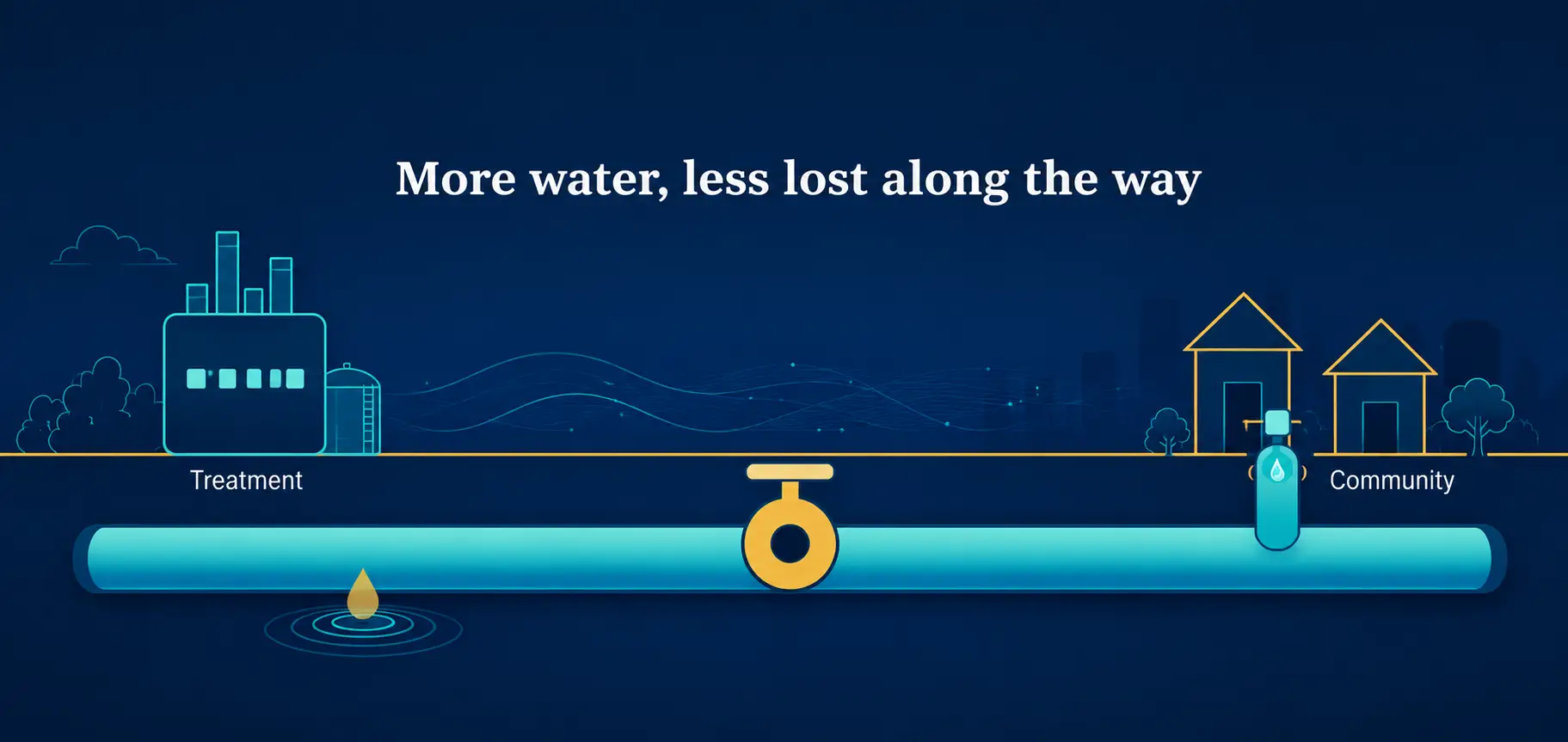
Where Does the Water Go? Why Better Pipes and Valves Mean More Water Reaches Families

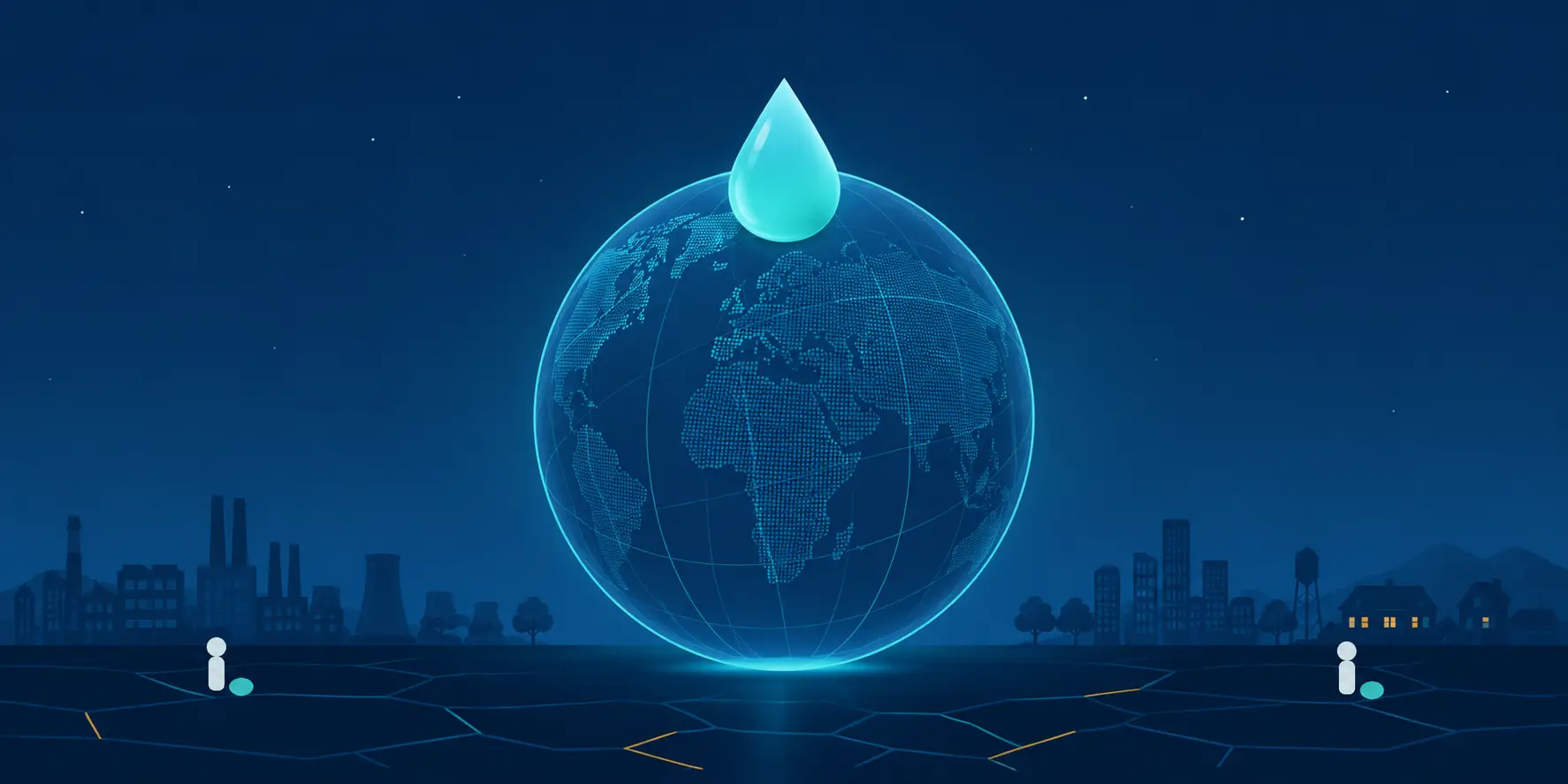
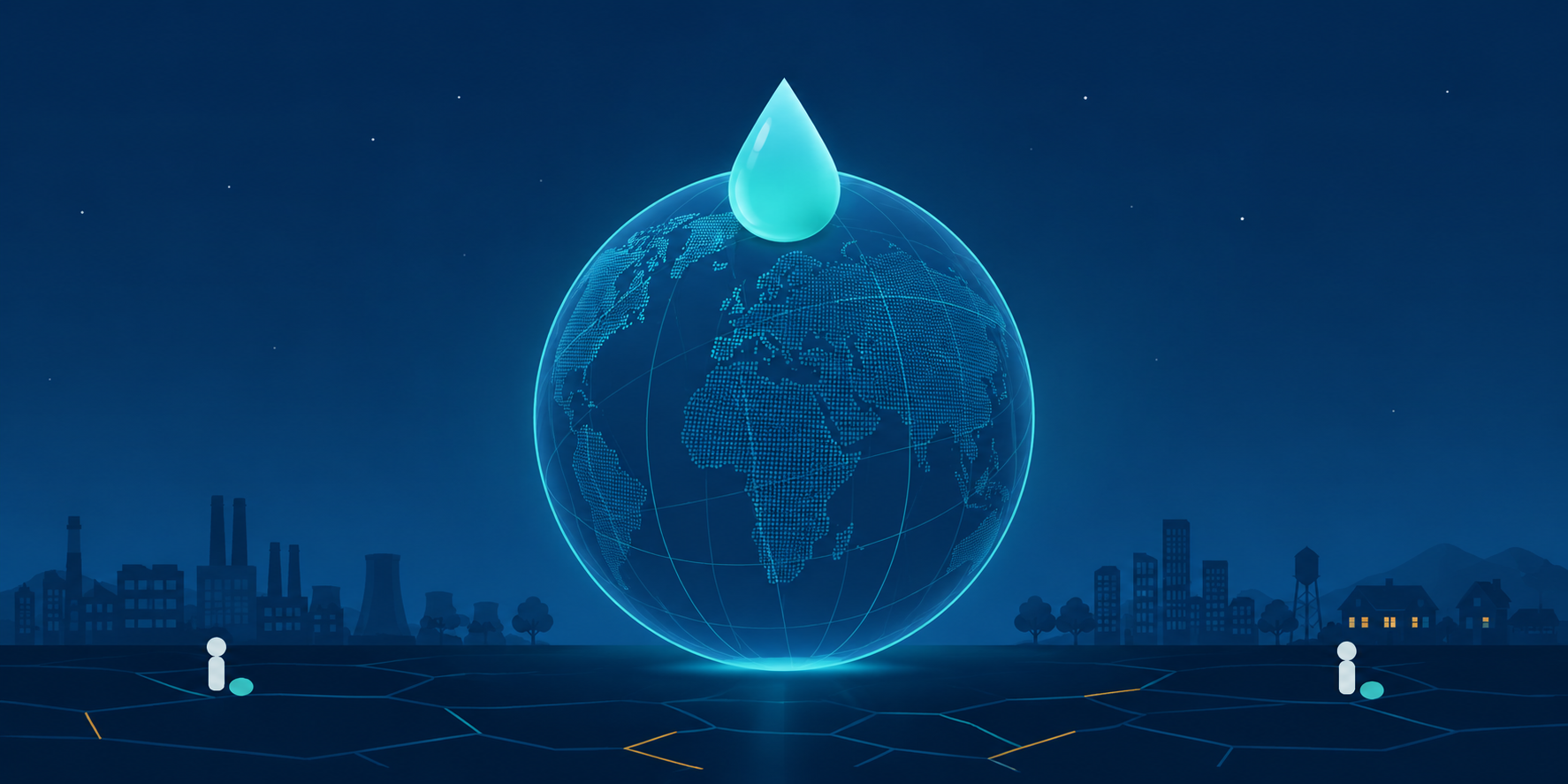
A few generations ago, water was often treated as an input that could be taken for granted. For industry, that assumption is becoming increasingly difficult to sustain. Water availability, quality and access are now closely linked to environmental, social and operational risks.
Here’s what’s actually happening. According to the United Nations World Water Development Report 2026, 2.1 billion people still lack safely managed drinking water. The same report estimates that women and girls spend a total of 250 million hours every day collecting water. These figures underline that water insecurity is not only an environmental challenge; it also has direct consequences for health, livelihoods, education and equality.
The pressure is not limited to traditionally water-scarce regions. Water scarcity is increasingly shaped by growing demand, climate change, groundwater depletion, pollution and the way water resources are managed. A January 2026 study published in Nature Geoscience projects that, under its future development scenarios, up to 62% of the global population could face severe water scarcity by 2100, with inequality amplifying the risk. This is a scenario-based projection, not a prediction of an inevitable outcome.
Manufacturing, energy and agriculture are significant users of freshwater resources, making water stewardship an important part of responsible resource management. Global water demand has risen over the long term, while water availability and quality are under increasing pressure in many regions.
For companies, this makes understanding where water comes from, how much is withdrawn and consumed, and what is discharged increasingly important.
Where industries and communities depend on the same water resources, responsible use becomes especially important. Managing water is therefore no longer simply a sustainability-reporting exercise; in many locations, it is closely connected to operational resilience and long-term stakeholder relationships.
Three developments make 2026 an important moment for industrial water stewardship.
First, measurement and disclosure have become more structured. GRI 303 provides a framework for reporting on water withdrawal, discharge and consumption, helping companies understand and communicate their impacts on water resources. Second, water-related risks are receiving greater attention in sustainability and corporate decision-making. Third, water recycling, reuse and efficiency measures are established tools that companies can apply where they are technically and economically appropriate.
Planting trees and funding community water projects can contribute to broader water resilience, but they do not by themselves address every operational water challenge. Companies can make a more direct contribution by measuring withdrawals accurately, reducing avoidable consumption, increasing recycling and reuse where feasible, and improving processes and infrastructure that reduce water losses.
At Electrosteel, we don’t see this as a CSR checkbox. Our core product exists to move water reliably from source to community, so water stewardship is closely connected to our business and the infrastructure we help create.
The water crisis is not simply a future risk industry needs to prepare for. In many regions, water stress is already shaping communities, ecosystems and business operations. The opportunity now is to move from reacting to water-related constraints to managing water as a strategic resource.
Where Does the Water Go? Why Better Pipes and Valves Mean More Water Reaches Families
The Circular Water Economy: How Treated Wastewater Is Becoming the World's Next Water Source
The Sustainability Case for Durability: Why the Longest-Lasting Material Is Often the Greenest
.webp)
Beyond Connections: What Jal Jeevan Mission 2.0 Means for India’s Water Infrastructure