August 10, 2026
The Global Water Crisis: Why This Is the Turning Point for Industrial Water Stewardship

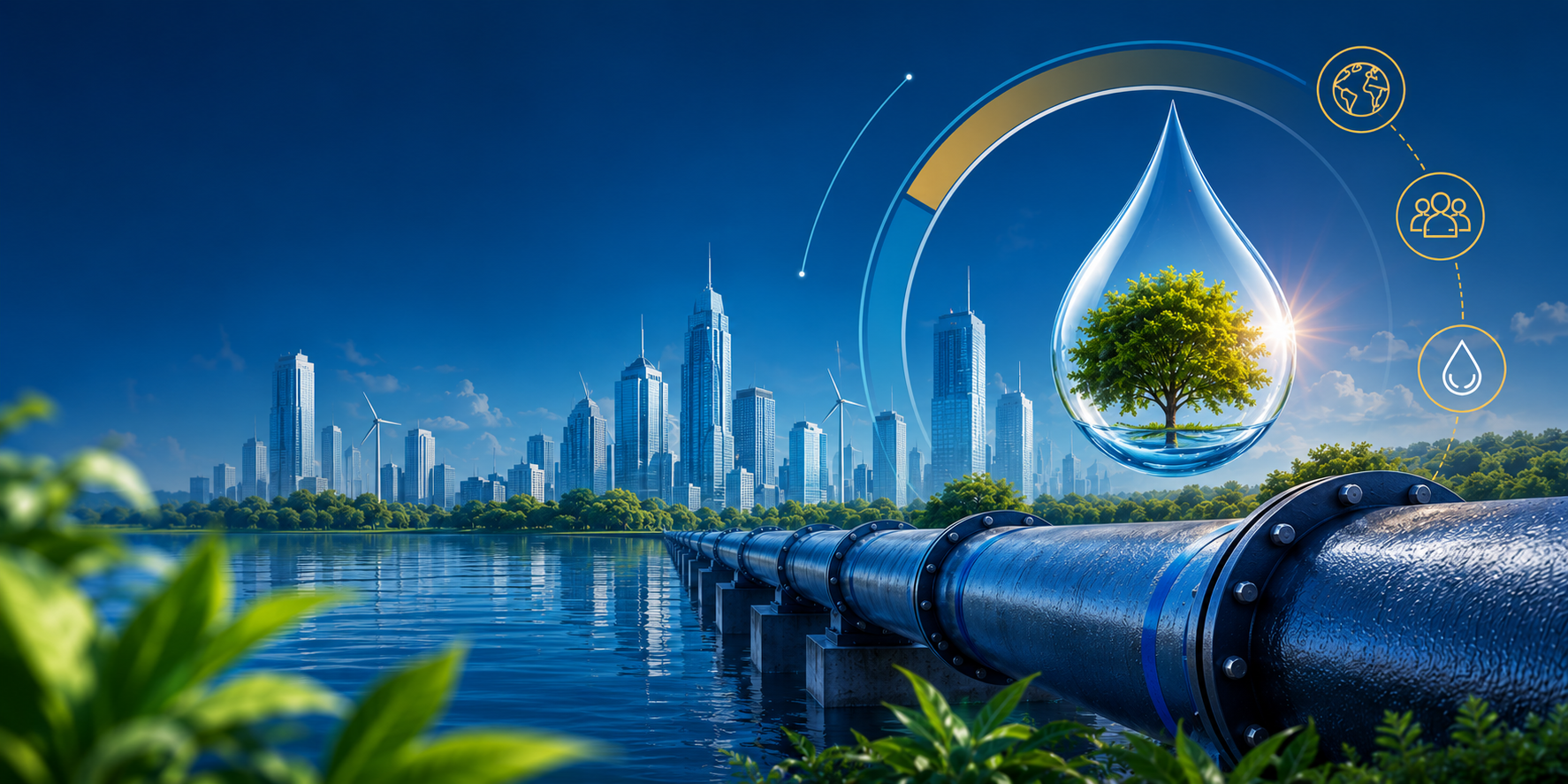
Somewhere in the world right now, there's a water main that was installed not long after Ductile Iron pipe first went into commercial production in the 1950s, still quietly doing its job seven decades later.
That's not an accident or a lucky outlier. It's the material working exactly as it was engineered to. It's a strange thing to find inspiring, a pipe in the ground, but it points to something the sustainability conversation doesn't talk about nearly enough: sometimes the greenest thing you can do isn't finding a new material. It's building something that simply doesn't need replacing.
Most conversations about sustainable materials start with a narrow question: what's this thing made of, and how was it made? That's a fair question, but it's an incomplete one. It leaves out what might be the most important variable of all: how long does it actually last once it's in the ground, in the wall, or on the roof?
A material with a smaller footprint at the point of manufacture but a shorter working life can, over decades, end up costing the planet more than a material that took more to make but simply keeps working for a hundred years without needing to be dug up, replaced, and remade.
This is where durability earns its place as a sustainability strategy, not just an engineering one.
Ductile Iron was developed specifically to solve the brittleness that limited older iron materials, adding magnesium during casting to create a nodular graphite structure that gives the metal real strength and flexibility instead of a tendency to crack under stress.
Since entering commercial production, decades of real-world performance and independent engineering studies have supported an expected service life in excess of 100 years for modern Ductile Iron pipe, a figure recognized by water utilities and standards bodies alike. It's also been certified as a sustainable product by the Institute for Market Transformation to Sustainability, precisely because of how that combination of strength and longevity plays out over a full lifecycle.
Every time a pipe has to be replaced early, whether from corrosion, cracking, or simply reaching the end of a shorter design life, that triggers a chain of activity with its own environmental cost: excavation, traffic disruption, new raw material extraction, manufacturing, transport, and installation, all over again.
A material engineered to avoid that cycle for a century isn't just convenient. It's quietly avoiding an entire second, third, or fourth round of embodied environmental impact that a shorter-lived alternative would eventually require.
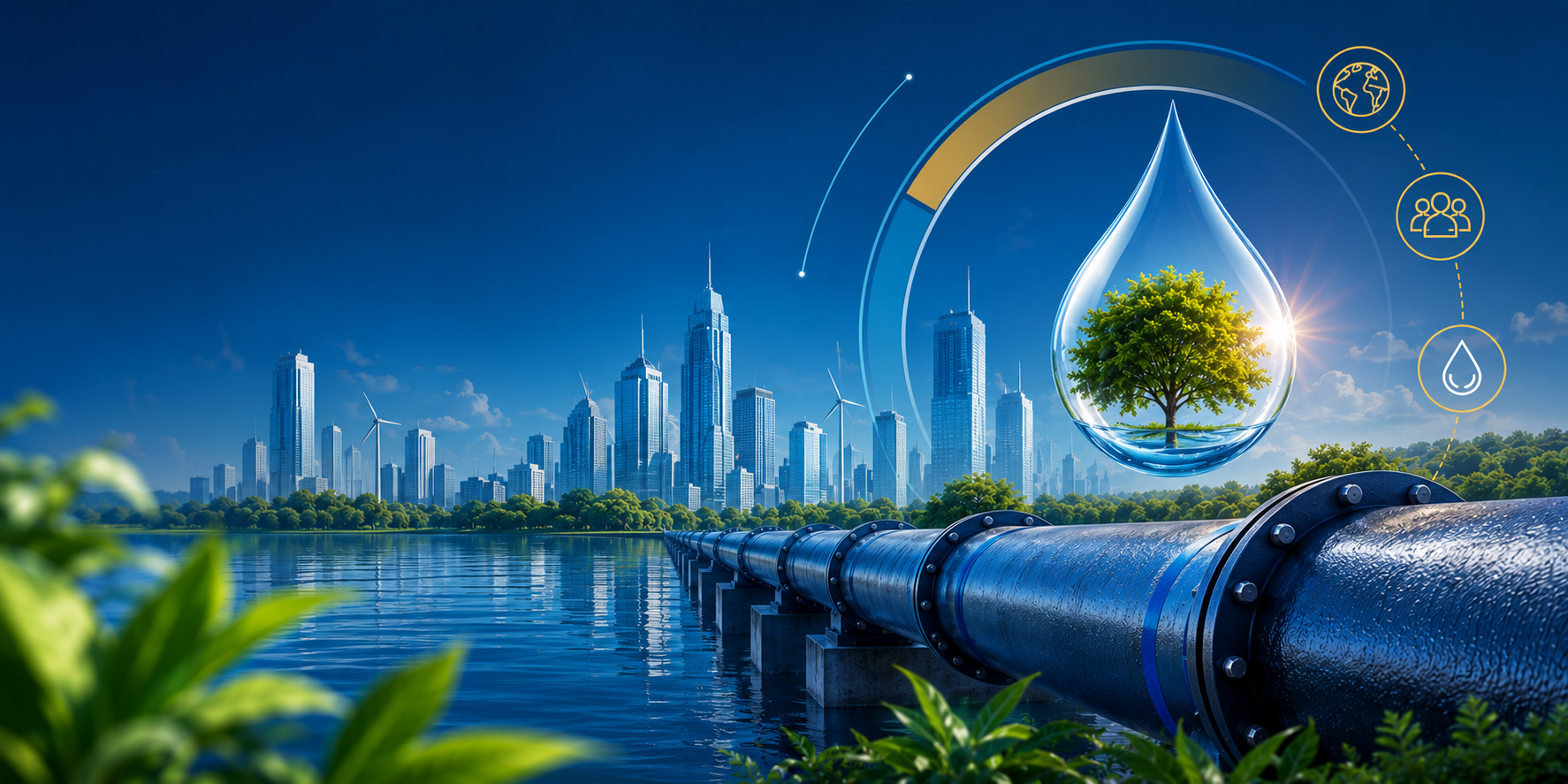
There's a second piece to this that's easy to miss. Ductile Iron production relies heavily on recycled scrap metal as a raw material input, and at the true end of its working life, the material itself is fully recyclable, feeding back into the same production cycle rather than becoming landfill.
Combine that with a service life that can run past a century, and you get a material that's doing double duty: minimizing what has to be freshly extracted from the earth, and minimizing how often that extraction has to happen at all.
None of this is an argument against innovation in materials, new options absolutely have their place, especially where they solve problems durability alone can't. But it is an argument for widening the lens.
A sustainability strategy that only counts what happens at the factory gate is missing most of the story. The real measure of whether a material is good for the planet is what it does across its entire working life, and sometimes, the most sustainable choice is simply the one built to last long enough that nobody has to think about replacing it for a very long time.
That's the philosophy behind Engineered to Endure: durability isn't a feature bolted onto sustainability. For infrastructure that has to work for generations, it often is sustainability.
The Global Water Crisis: Why This Is the Turning Point for Industrial Water Stewardship
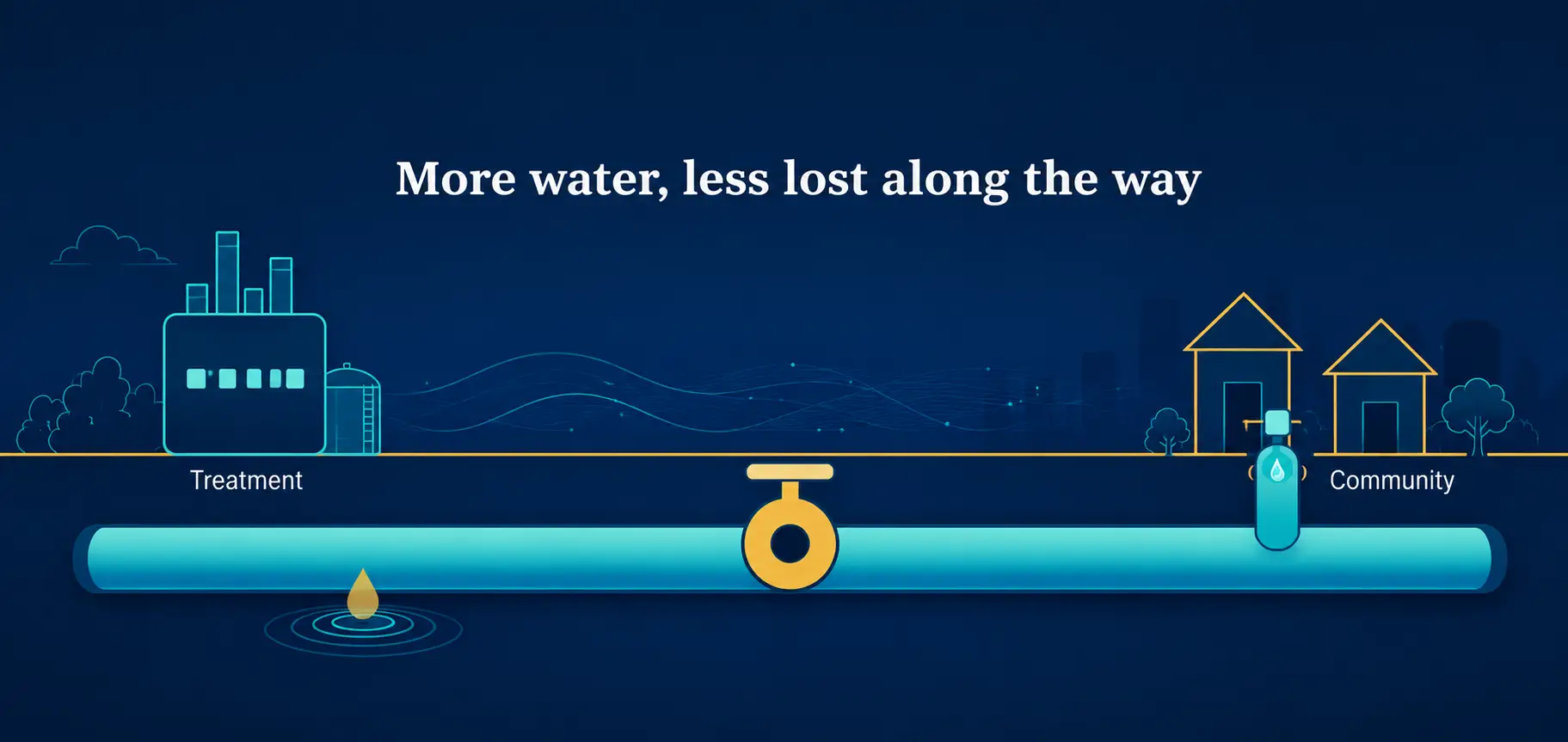
Where Does the Water Go? Why Better Pipes and Valves Mean More Water Reaches Families
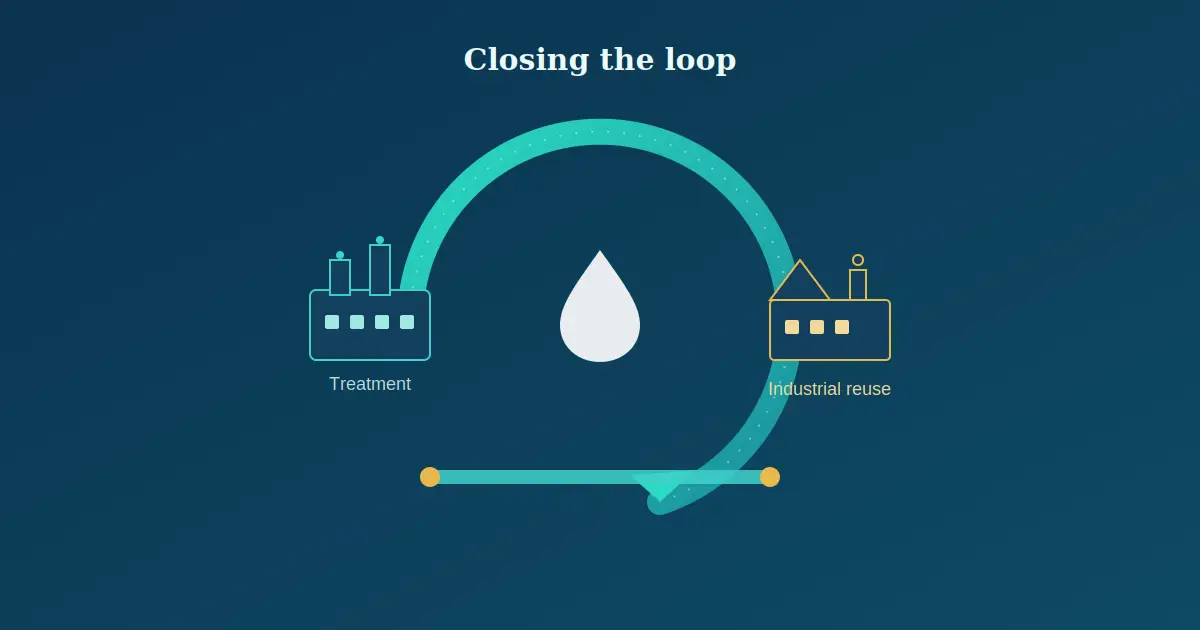
The Circular Water Economy: How Treated Wastewater Is Becoming the World's Next Water Source
.webp)
Beyond Connections: What Jal Jeevan Mission 2.0 Means for India’s Water Infrastructure